Spinal Stenosis Relief in Beaufort
 Walking, standing, and moving freely shouldn’t come with numbness, pain, or reduced mobility. When the spinal canal narrows, it can put pressure on nearby nerves, creating discomfort that affects your daily movement and quality of life. Understanding what’s driving that narrowing is an important first step toward the right plan for long-term improvement.
What Causes Spinal Stenosis?
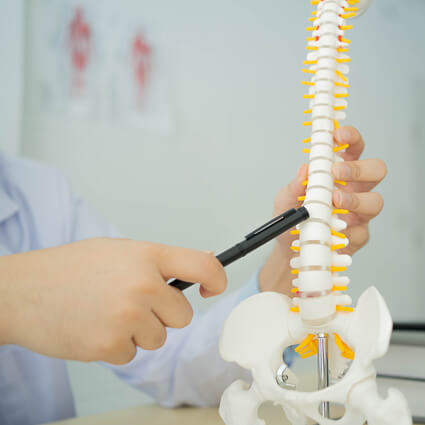
Spinal stenosis develops through several pathways. The most common involves degenerative changes where calcium deposits and bone spurs form along the vertebrae in response to wear and tear. These bony growths can gradually encroach into the spinal canal, reducing the space available for nerves and the spinal cord.
Another cause involves vertebral misalignment, where one vertebra slips forward or backward relative to the one below it. This condition, known as spondylolisthesis, can be graded from mild to severe and creates narrowing as the bones shift out of proper position.
Some individuals are born with a naturally narrower spinal canal. While this hereditary form may not cause immediate symptoms, it can become problematic when irritation or swelling occurs within that already confined space.
Recognizing the Symptoms
Common signs of spinal stenosis include:
- Numbness or tingling in the hands or feet
- Leg pain or weakness when walking or standing
- Reduced mobility in the affected area
- Burning sensations that worsen with activity
These symptoms develop as the nerves become compressed within the narrowed canal, sending signals that something needs attention.
Gentle Techniques for Effective Care
Treatment at Optimal Health Chiropractic focuses on conservative approaches designed to reduce pressure and restore function. Beaufort Chiropractor Dr. Michael McKelvey uses non-force to very-low-force adjusting techniques specifically tailored for stenosis patients, ensuring comfort and safety throughout the process.
Care may include:
- Gentle spinal adjustments to improve alignment
- Spinal traction to create space and reduce nerve pressure
- Targeted exercises and rehabilitation protocols
- Postural guidance to support long-term stability
Many patients experience meaningful improvement through this conservative approach, avoiding the need for injections or surgical intervention.
Take the First Step Toward Relief
If spinal stenosis is affecting your ability to move comfortably and enjoy daily activities, help is available. Contact us today to schedule a consultation with Dr. McKelvey and discover how gentle, effective care can restore your comfort and mobility.
